.png?width=344&height=67&name=logo_caser%20(2).png "logo_caser (2)")
.png?width=243&height=47&name=logo_caser%20(2).png "logo_caser (2)")

April 29, 2025
Caser Expat Insurance
Sales
Customer Care
When was the last time you went for a dental health check up… without having any discomfort?
If your answer is “over a year ago” it might be time to book your next visit.
A dental health check up is a routine visit to your dentist to assess your teeth, gums, and overall oral health before problems appear. It is not about treating pain, but about preventing it.
In general, it is recommended to have a dental health check up every 6 to 12 months. This frequency helps detect early signs of cavities, gum disease, or other issues before they become more complex and costly.
For expats in Spain, this becomes even more important. When navigating a new healthcare system, it’s easy to delay appointments… and that’s when minor issues tend to grow quietly in the background. In this guide, we explain how a dental health check up works in Spain and how public and private insurance affect access to care.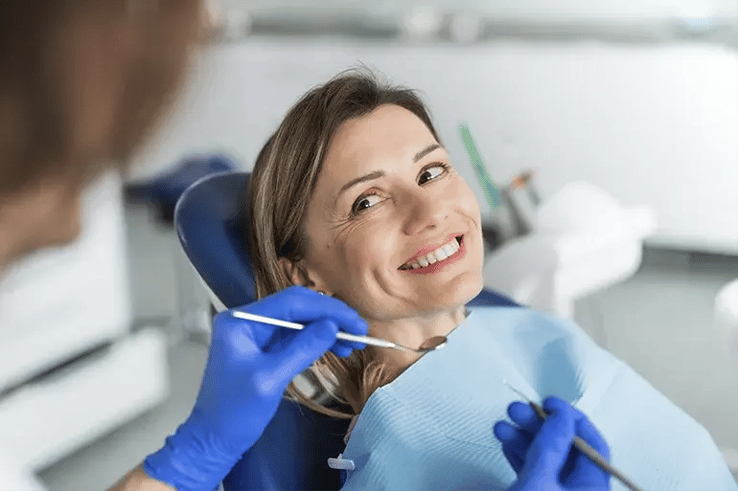
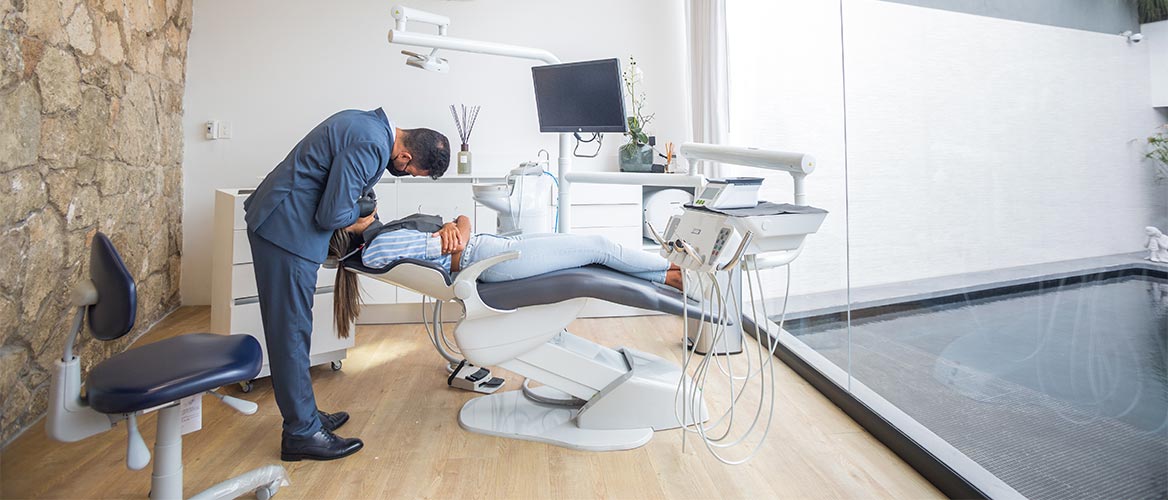
A dental health check up is usually a smooth and straightforward process. Most appointments take between 20 and 45 minutes and follow these steps:
Your dentist will ask about your general health, medications, and any symptoms such as sensitivity or bleeding gums.
During a dental health check up, your dentist will check for:
A visual check of the tongue, throat, and soft tissues to detect any unusual changes.
Now comes the part many expats don’t expect, not all dental care works the same way in Spain.
If you rely on the public system, access to a dental health check up is limited. Most services focus on urgent care rather than prevention. To better understand how access to a dental health check up differs in Spain, here is a quick comparison between public and private healthcare:
|
Aspect |
Public Healthcare |
Private Insurance |
|
Coverage |
Limited |
Wide coverage |
|
Waiting times |
Often longer |
Faster access |
|
Language support |
Mostly Spanish |
Often English-speaking professionals |
|
Preventive care |
Partial and group-specific |
Usually included |
|
Cost predictability |
Low upfront |
Monthly premium |

Recent updates through the Plan de Salud Bucodental 2025 have expanded access to preventive and conservative treatments, but mainly for specific groups:
Despite these improvements, for the majority of adults, access to a regular dental health check up within the public system remains limited. This means that preventive dental care is still largely dependent on private services.
Whether you need dental insurance depends on your situation, but for most expats, it is a practical option.
Dental insurance can help you:
When choosing a plan, make sure it covers pre-existing conditions (such as crowns or implants), offers access to nearby clinics, and includes 24-hour assistance.
The peace of mind comes from knowing that any surprise procedures might be free or far less costly, and that several childhood procedures are included or available at a lower rate. Other benefits include no waiting times and fewer exclusions, particularly regarding age or pre-existing conditions.

With Caser Expat Insurance, booking and attending your dental health check up becomes much easier as an expat. Moreover, there are two plans you can choose from, depending on your needs:
If you would like to see how this insurance adapts to your needs, you can calculate your personalized quote through Caser’s online quotation tool.
Yes, Adapta Plan for Health Insurance allows you to add dental coverage through the Sonrisa Esencial option. The Adapta+Sonrisa Esencial plan is a great option for families who wish to have full coverage for everyone, and from head to toe.
This plan will take care of all your dental needs for the entire family, as it covers between three and six family members, and includes no co-payments for dental services in addition to excellent medical coverage in all areas of your health.
A dental health check up is one of those small habits that quietly make a big difference. It doesn’t take much time. It doesn’t require symptoms. But it can save you from discomfort, complexity, and unexpected costs down the line.
And when you’re living abroad, having the right support behind that routine makes everything feel just a little more under control.





Let Us Know What You Thought about this Post.
Put your Comment Below.