.png?width=344&height=67&name=logo_caser%20(2).png "logo_caser (2)")
.png?width=243&height=47&name=logo_caser%20(2).png "logo_caser (2)")

December 14, 2021

Caser Expat Insurance
Sales
Customer Care
In a world where so many things are fleeting, one constant remains: childbirth. Long before we could Google “what to expect when you’re expecting,” women have passed down an endless mix of pregnancy facts and myths, from predicting a baby’s gender to forbidding certain foods and behaviours.
Despite incredible advances in medicine, prenatal care, and childrearing, old wives’ tales still thrive, and Spain is no exception. So, how do these 10 Pregnancy Facts & Myths hold up today?

The classic reminder to “eat for two” has been scientifically disproven. You don’t need to eat twice as much, you just need to eat wisely. A balanced diet rich in fruits, vegetables, whole grains, lean proteins, healthy fats, and plenty of water will promote your baby’s healthy development and help you manage your own weight.
In fact, eating properly can lower the risk of complications like gestational diabetes or a high-risk pregnancy. Quality over quantity really is key.
You may hear that if you ignore your cravings, your baby will be born with a birthmark. While this one is widespread across Spain, there’s no scientific link between the two.
That said, intense or unusual cravings can occasionally indicate a nutritional deficiency, especially low iron. If you find yourself constantly craving something odd or non-food items (like ice), it’s best to check in with your doctor.
Tip: Regular prenatal checkups make it easy to spot small issues before they become big concerns. With a Caser health plan, you can access a wide network of gynaecologists and specialists across Spain, without long waiting lists.
You might be told to steer clear of spicy food, but not because it will harm your baby. Many women experience heartburn and acid reflux during pregnancy, particularly in the later months, and spicy food can make that discomfort worse.
However, rest assured: eating spicy food won’t cause physical deformities or affect your baby’s health in any way.

This is one of the most common pregnancy myths, and one that even some medical professionals joke about. While heartburn and reflux are common pregnancy symptoms, they’re caused by hormones relaxing your esophagus and stomach muscles, not by your baby’s hair.
The amount of hair your baby is born with is purely genetic.
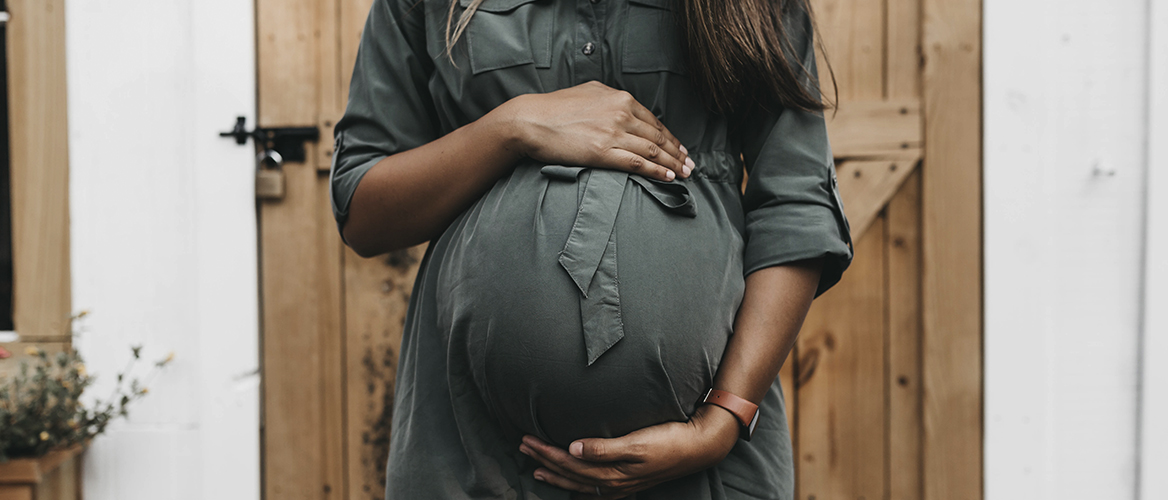
If you’re pregnant in Spain, prepare to have strangers, especially grandmothers, predict your baby’s gender based on your bump. According to an old Spanish wives’ tale, a pointy belly means you’re having a boy, while a rounder bump means it’s a girl.
In reality, your belly shape depends on your body type, muscle tone, and how your uterus expands, not your baby’s gender. Ultrasound technology remains the only reliable way to know before birth.
Abuelas don’t stop at the belly, they’ll also watch your face. A swollen or wider nose during pregnancy is often said to mean you’re expecting a girl. The truth? It’s all about hormones.
Increased estrogen levels can boost blood flow, leading to swelling in various parts of the body, including your nose. It has nothing to do with your baby’s sex, and everything to do with biology.
If you want to keep the surprise, let your gynecologist know before your scan, in Spain, they often reveal the baby’s gender by default around week 16–20.
Pregnant women are often warned against colouring their hair because of chemicals and fumes. While excessive exposure to certain harsh dyes isn’t ideal, moderate salon visits are generally considered safe after the first trimester.
Most doctors recommend waiting until after the first 12 weeks and choosing ammonia-free or semi-permanent products. You can also ask your stylist about natural or organic alternatives if you’re concerned.

This one couldn’t be further from the truth. Exercise during pregnancy is not only safe for most women, but also highly recommended. Staying active helps regulate weight, improve circulation, and reduce stress.
If you were active before pregnancy, you can usually continue, adjusting intensity as needed. Avoid high-impact sports or activities that risk falls, but otherwise, movement is your friend.
If you’re new to exercise, consult your doctor before starting. Many trainers specialise in prenatal fitness and can tailor routines that avoid abdominal strain or jumping.
It’s a common fear, especially for first-time parents, but no, intercourse cannot harm the baby. The uterus and amniotic sac provide all the protection your little one needs, and the cervix is sealed by a mucus plug during pregnancy.
Unless your doctor advises against it for medical reasons, a healthy sex life is perfectly safe, and often more enjoyable, as pregnancy hormones can heighten libido.
As the due date approaches, you may hear endless tips for kick-starting labour: foot massages, pineapple juice, long walks, or even spicy food. Some swear by intimacy to release oxytocin, the hormone linked to contractions.
Unfortunately, none of these methods have scientific backing. When my best friend was overdue with her first child, she tried everything, but ultimately, she was induced at 40 weeks and one day. Ironically, the drug used to induce labour is oxytocin, the very same hormone released during pleasure and affection.
So while these tricks are harmless to try, don’t be disappointed if they don’t work. Your baby will arrive when ready, or when your doctor says it’s time.
Giving birth and raising children in a country where you weren’t raised yourself can be a surprisingly positive experience. Spain’s healthcare system offers excellent prenatal and postnatal care, and many foreign mothers describe feeling fully supported throughout pregnancy, even if keeping track of all the appointments and ultrasounds can be a challenge.
It’s also a country where everyone seems to have advice for expectant mothers, from neighbours and colleagues to taxi drivers and abuelas at the market. And while some of those tips might be based more on tradition than science, most women remember their pregnancies in Spain as joyful, hopeful times filled with care, community, and kindness (even if occasionally exhausting, especially with a little one already at home).
If you’re expecting, remember that once your baby is born, you can easily add them to your health policy. With Caser Expat Health Insurance, you can access different plans, such as Caser’s Integral plan or Caser Médica Health Insurance which offer comprehensive pregnancy and family planning coverage designed for every stage of life, from maternity to paediatric care. Find out more about Caser’s family health insurance, get you personalized quotation, and give your baby the best possible start.
And finally, may your own labour be blessed with the most comforting Spanish phrase often shared by caring abuelas:
“Que sea una hora corta.”
May it be a short hour.
Pregnancy Facts & Myths may change over time, but one thing will always remain true: motherhood is filled with surprises, laughter, and more love than any myth could ever explain.

|
If you are searching for health insurance in Spain, Caser Expat Insurance has the right policy for you!
|


Let Us Know What You Thought about this Post.
Put your Comment Below.