.png?width=344&height=67&name=logo_caser%20(2).png "logo_caser (2)")
.png?width=243&height=47&name=logo_caser%20(2).png "logo_caser (2)")

September 24, 2025

Caser Expat Insurance
Sales
Customer Care
Whether you have already planned your new life abroad or are simply considering a move to Spain, one of the most important steps in the process is finding a place to call home.
House hunting in Spain can be challenging, especially from abroad, and it’s a decision that deserves proper consideration. A common question may cross your mind:
Should I rent or should I buy a house in Spain?

There is no one-size-fits-all answer, it all depends on your situation and how you imagine your Spanish life unfolding.
This guide will help you understand the key steps of the housing search, the pros and cons of renting vs buying, and why home insurance for new homes in Spain is essential for protecting yourself and your loved ones.
Keep reading because the path to your new adventure has already begun.
The decision has been made. Soon you’ll be enjoying life in Spain, but change is never easy, and neither is navigating the housing market.
Spain offers homes and apartments adapted for every type of expat. Whatever your preferences are, there will always be a place that suits your lifestyle. But before stepping into the dream of finding your forever home, there are a few essentials to consider.
Next, you will need to determine how much money you are willing to spend. Your budget will look quite different depending on whether you plan to rent or buy:
Everything is almost settled to start looking for your new home, but there’s an additional aspect to consider, do I need a Spain residence permit to rent or buy a house?
No. You don’t need a Spain residence permit to buy or rent a house in the country. The only requirement is having a NIE (Número de Identificación Extranjero). A Spanish bank account is also recommended, as it simplifies payments.
Once your listing criteria is ready, the hunt begins! And though Spain is a wonderful place to start a new life, the housing market can be tricky, so keep this points in mind:
Now that you understand the basics of home hunting in Spain, let’s tackle the question that’s still in the back of your mind: Is it smarter to rent first, or jump straight into buying?
 PART 2: Pros and cons of renting vs buying a house in Spain
The truth is that both renting and buying can be great options. It all depends on where you are on your journey, how long you plan to stay, and how ready you feel for long term commitment.
Renting, the flexibility-first route
Renting is often the smoothest way to start settling in, think of it as a soft landing. It gives you the freedom to explore, try out new things and relocate if needed. So, if your plans are not set in stone, renting gives you much more mobility.
It also comes with lower upfront costs and fewer responsibilities. After arriving in Spain, you will usually only deal with deposit and the first month’s rent. Major repairs often fall on the landlord, meaning fewer headaches for you and your loved ones while still adapting to this new chapter of your life.
Monthly payments don’t build equity; you are contributing to someone else’s asset. And as flexible as renting is, it goes both ways, making this process more unstable and unpredictable. Your landlord might choose not to renew your lease, sell the property, or raise your rent, so your home might not be guaranteed long-term.
And, since we are being honest… if you are moving to Spain with pets, this can completely change the picture, as finding a rental that accepts pets in Spain can require more time and patience.
Buying, the long-term investment route
Buying a home in Spain can genuinely feel like the moment everything clicks into place; it becomes the country in which you desire to grow roots. With property prices often more accessible than in the UK or US, many expats see buying as a solid long-term investment.
When you buy, every mortgage payment contributes to something that is truly yours, contributing to your future and giving you a sense of stability that renting can’t match. Spain also allows foreigners to buy freely, which makes the process more approachable than newcomers expect.
So, whether you are planning a permanent move, dreaming of a holiday home, or thinking of investing, the door is wide open.
Buying requires realism. Upfront costs extend beyond the price of the property itself, taxes, legal checks, and paperwork take time and planning. You’ll also be responsible for maintenance, repairs, community fees and other taxes.
If your plans change unexpectedly, buying reduces your flexibility, as selling a house in Spain is not an overnight process. Moreover, if your property is left vacant for too long, there’s a small but real risk of squatters, who have certain rights under Spanish law, making eviction a challenging process.
This is why having the right home insurance for new homes in Spain becomes essential, not only to safeguard it when you’re away, but also to be prepared for the unexpected accidents that can happen inside any property.
Life doesn’t stop being unpredictable once you settle in Spain. Homes are wonderful spaces, but they are also complex systems, and whether you’re a homeowner or a tenant, accidents can happen at any time.
Think of this as the practical guidance of the things you don’t want to learn the hard way:
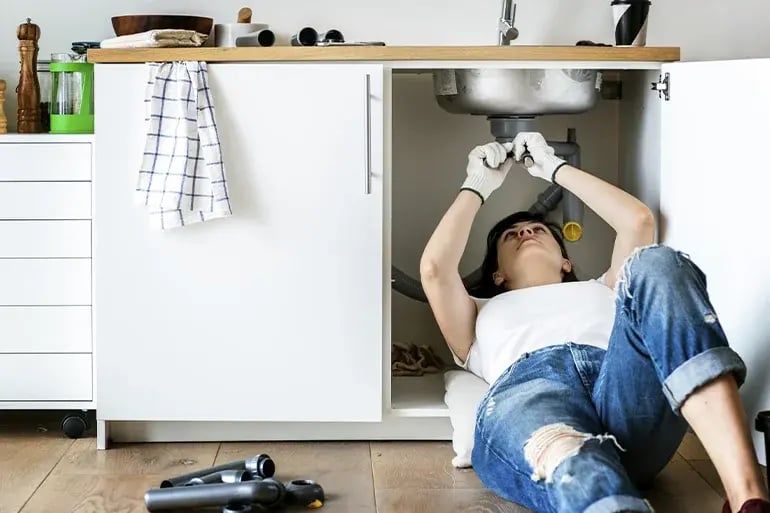
Let’s start with the simple things. Door locks can suddenly jam, appliances can short-circuit, a tap can break, or a pipe joint can loosen just enough to start leaking. These may not be dramatic emergencies but, they can disrupt your routine and lead to unexpected costs.
Water damage is one of the most frequent causes of home insurance claims in Spain. Leaking or burst pipes, rain infiltration, roof leaks… water spreads quickly, causing damage in places you can’t even see. It can weaken structures and create mould, affecting both the building and your health.
Something similar happens with flooding, although less common, is still a concern in certain parts of Spain. Quick drying is essential, but repairs can become costly if dampness persists.
Fire surely isn’t part of the “Spanish dream”, but it can happen, and it often start in the most ordinary ways. Dealing with fire and smoke damage is one of those moments where you realize how important it is to have the right protection in place. That’s where good insurance steps in, helping restore your home, clean and repair what is affected, and even support you if your property becomes temporarily unavailable.
It’s the kind of protection that helps you breathe easier, knowing your home and your daily life can be put back on track.
 PART 4: Caser Expat Home Insurance
When researching home insurance for new homes in Spain, it’s completely normal for questions to appear. What does a policy include? What kind of protection do I really need for my home?
Home insurance works through different levels of coverage, and with Caser Expat Home Insurance, you can choose the plan that best matches your needs and the life you’re building in Spain. You’ll find the following three levels of protection:
While each plan offers different levels of coverage, all of them protect the essential needs of your home. You can expect services such as:
They also include civil liability, which protects you if you, or your property, cause harm to others. Caser Expat Home Insurance can help cover the costs, shielding you from the financial and legal implications of a liability claim.
Spain also has a unique government safety net: “Consorcio de Compensación de Seguros”. This system steps in during extraordinary situations such as extreme weather, floods, or major social disturbances that go beyond what normal home insurance covers. It doesn't replace your private insurance, which takes care of the everyday risks; it works alongside it.
If you are wondering what this protection could look like for your home, you can get an instant estimate with Caser Expat Insurance’s online quotation tool.
Finding a home in Spain isn’t just about choosing a property, is about building the place where your new routine and your everyday life will unfold. Once you’ve explored your options and chosen the home that feels right, the next step is ensuring you feel protected as you settle in, with the right home insurance for new homes in Spain.
That’s why having the right support, like Caser Expat Home Insurance, matters. With its range of plans, it can turn stressful moments into manageable ones, giving you more time to enjoy what brought you to Spain in the first place: the beginning of a new chapter of your life.





Let Us Know What You Thought about this Post.
Put your Comment Below.